





Textile and Apparel in Tunisia: A Pillar of the Economy
The textile and apparel sector plays a key role in the Tunisian economy, accounting for 16% of industrial exports. It attracts major international brands thanks to the flexibility and responsiveness of local businesses. By integrating technological innovations and eco-friendly practices, the sector continues to modernize, further strengthening its international competitiveness.
Key Strengths of the Textile and Apparel Sector
The Tunisian textile and apparel sector boasts numerous advantages that set it apart on the international stage:
Recognized expertise and well-controlled delivery timelines
Competitive pricing for high value-added products
High responsiveness and flexibility to adapt to market demands
Proven compliance with international standards and regulations
Commitment to eco-friendly practices
Focus on technical textiles tailored for the automotive, aerospace, medical, and other specialized industries
- Key Figures of the Textile and Apparel Sector in Tunisia
- 1 385 exporting companies, with over 80% exclusively dedicated to exports
- 151,944 job positions
- 2nd largest exporting sector, accounting for 16% of Tunisia’s exports
- €2.882 billion in exports
- 15% of GDP
- 35% added value
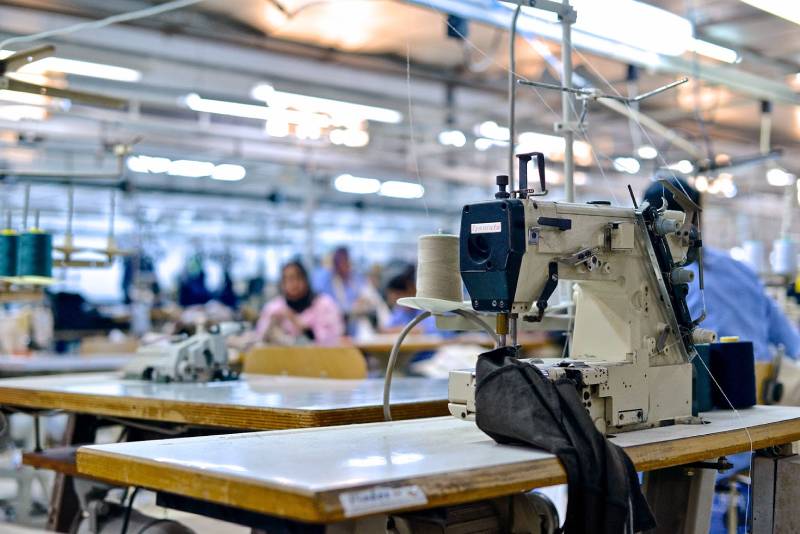
Key Exported Products
Tunisian textile and apparel exports are diverse and competitive, meeting the requirements of international markets.
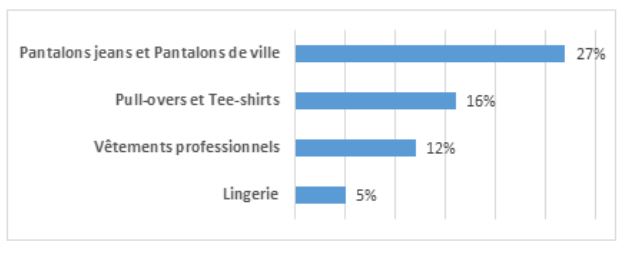
Tunisia stands out particularly in the European market, where it holds significant market shares in several key segments:
- 2nd largest supplier to the EU market for swimwear
- 2nd largest supplier to the EU for professional clothing
- 4th largest supplier to the EU for jeans
- 5th position for bras
Tunisia's Key Trade Partners
Tunisia maintains diverse trade relations with several partners, primarily in Europe.
In export In import
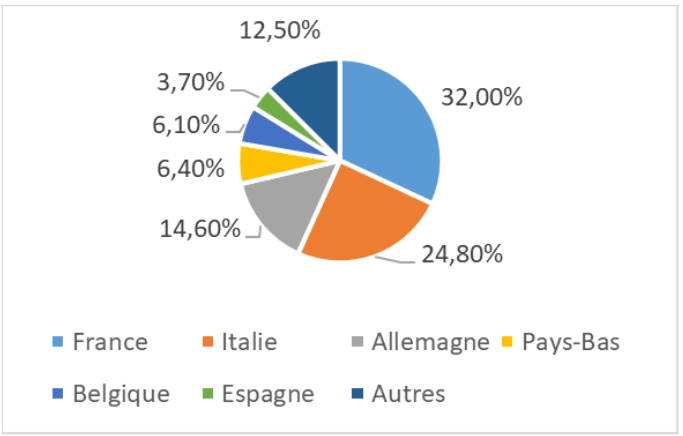
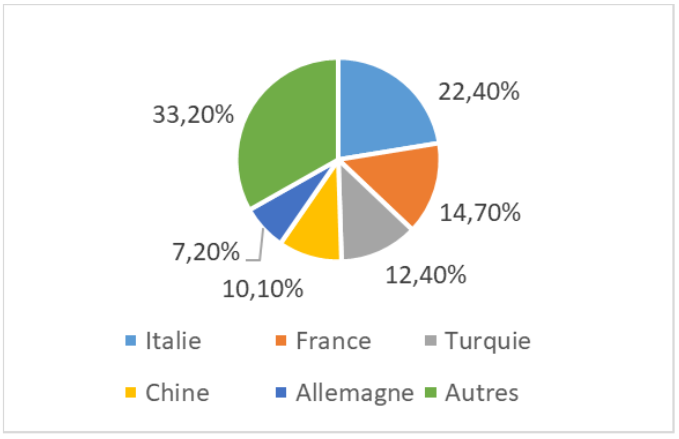 Données : BI
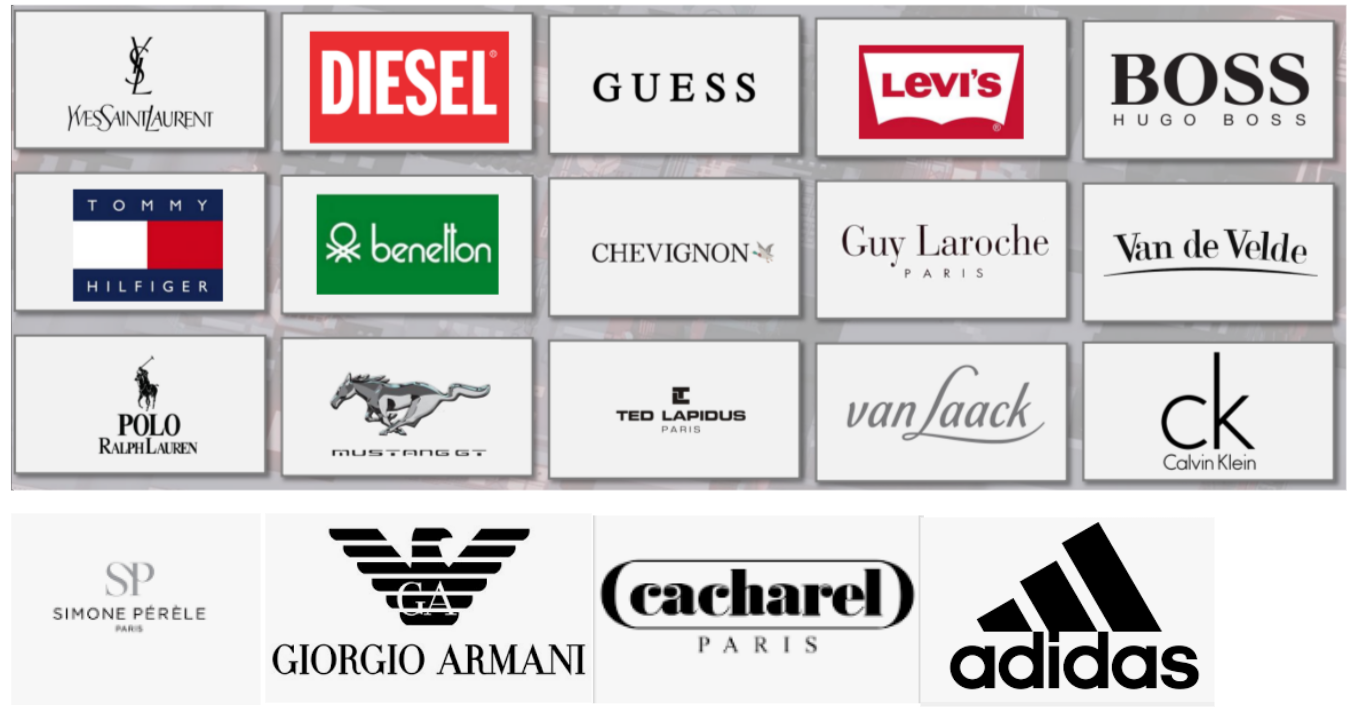
- International References: Trusted Brands Choose Tunisia
Many renowned international brands have chosen to trust the expertise of Tunisian businesses, including:




Tunisia: A Land of Agriculture and Agrifood Innovation
Thanks to its Mediterranean climate and fertile soils, Tunisia stands out for the quality and diversity of its agricultural production, ranging from cereals and olive oil to dates and aromatic herbs.
To enhance its competitiveness, Tunisia focuses on technological innovation and an agrifood industry that complies with international standards, as well as social and environmental requirements.
Key Strengths of Tunisia for a Competitive Agrifood Sector
Tunisia’s agrifood sector benefits from multiple advantages that set it apart on the international market:
Strategic geographical location and favorable climate.
Attractive business environment with a structured ecosystem.
Mastery of advanced production and processing techniques.
Presence of startups and research units providing innovative solutions.
International certifications and compliance with social and environmental standards.
Competitive and highly skilled workforce.
Key Figures of the Agrifood Sector in Tunisia
Explore key statistics highlighting the strategic importance of Tunisia's agrifood sector:
- 10 million hectares of agricultural land, including 5 million hectares of utilized agricultural area (UAA)
- Over 1300 exporting companies
- More than 300 exported products (HS6) to 138 markets
- 13% of GDP
- $2.9 billion in exports
- Average export growth of 70% between 2019 and 2023

- Key Agrifood Export Products
Tunisia exports a wide range of agrifood products, renowned for their quality and authenticity, thanks to modern agriculture procedures and a favorable climate.
54% +62% 12% +19% 8% -1% 4% +10 % 4% +34 %
(22/23) (22/23) (22/23) (22/23) (22/23)




fats and oils Fruits Fish and Cereal vegetables
of animal or shellfish, based
vegetable mollusks product
origin
Tunisia's Key Partners
Tunisia maintains diverse agrifood trade relations with numerous international partners.
EXPORT IMPORT
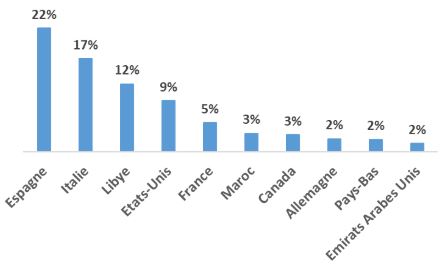
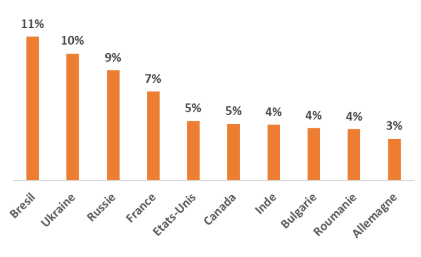
Tunisia’s key figures in the international agrifood market:
4th largest exporter of olive oil worldwide
2nd largest exporter of dates by value globally
Top African exporter of organic products to the EU
Nearly 50 Tunisian companies hold Halal certification
Tunisian harissa is recognized as part of UNESCO’s Intangible Cultural Heritage




The Mechanical and Electrical Sector: Dynamism and International Growth
Tunisia stands out with a strong and diversified exportable offer in the mechanical and electrical industries sector. Exports in this field have experienced remarkable growth over the past decade, highlighting its vitality and competitiveness on the international stage.
The development of two key industries —automotive components and aerospace — clearly reflects the sector's performance. As Tunisia’s leading goods export sector, it accounts for more than 45% of the country’s exports.
Key Industries in the Mechanical and Electrical Sector
Automotive Components:
Tunisia has established itself as a center of excellence in the production of automotive components, offering high-tech solutions that attract the world’s leading car manufacturers.
With over 280 active companies in this sector, Tunisia’s exportable offer stands out for its diversity, including automotive parts and subassemblies, wiring harnesses, and advanced electronic systems.
Tunisian businesses benefit from a highly skilled workforce, trained to international standards, ensuring reliable production and a strong ability to adapt to new market trends.
Thanks to this dynamic growth, Tunisia ranks among the top three exporters of automotive components in Africa.
Aerospace
Tunisia has also established itself as a key player in the production of aerospace components, thanks to a structured and high-performing value chain driven by innovation, research and development (R&D), and inter-industrial synergies. These factors have significantly contributed to the expansion of Tunisia’s aerospace sector.
With over 80 specialized businesses, primarily export-oriented, Tunisia offers a dynamic, innovative, and reliable industrial platform that meets the high standards of global aerospace leaders.
Tunisia's Strategic Advantages for the Automotive and Aerospace Industries
- A high-performing training ecosystem, ensuring a highly skilled and specialized workforce
- Competitive production costs, enhancing the attractiveness of Tunisia’s industrial offer
- A strategic geographical position, significantly reducing delivery times to European and African markets
- A reliable and advantageous industrial platform for global players in the automotive and aerospace sectors




The Diverse Industries Sector: A Strategic Pillar of the Tunisian Economy
The diverse industries sector in Tunisia reflects the richness and diversity of the national economy.
Driven by a wide range of products, it stands as an essential pillar of Tunisian exports.
- 12% of Tunisia’s total goods exports
- Over €2.1 billion in goods exports
- A diverse range of products, showcasing the richness of Tunisia’s industry

Flagship Products of the Diverse Industries Sector
- Construction Materials and Civil Engineering
The construction materials and civil engineering sector holds a central position, featuring key products such as cement, ceramics, coatings, and other materials that meet international market standards.
- Pharmaceutical and Parapharmaceutical Products
The pharmaceutical and parapharmaceutical industry has experienced significant growth, producing generic medicines, skin care products, dietary supplements, and certified medical equipment. This sector highlights Tunisia’s expertise and recognized know-how in healthcare.
- Cosmetic Products
Leveraging local natural resources, Tunisian cosmetics stand out for their authenticity and quality, attracting international markets.
- Packaging Products
The packaging industry offers a wide range of solutions in plastic, cardboard, and eco-friendly materials, designed to meet the demands of the food, industrial, and logistics sectors worldwide.

The Services Sector: Diversity and Competitiveness in International Markets
The services sector in Tunisia plays a key role in exports, standing out for its diversity, competitiveness, and high-quality products. It covers several fields, including Information and Communication Technologies (ICT), healthcare, and higher education, which are strategic sectors for the country.
ICT Sector
The ICT sector in Tunisia, accounting for 10% of GDP and 20% of service exports, is a key pillar of the economy. With rapid expansion, Tunisia is positioning itself as a tech hub in Africa, supported by modern infrastructure, a highly skilled youth, and government policies that foster startups and innovation.
Healthcare Sector
Tunisia’s healthcare sector is renowned for the quality of its medical services, the expertise of its professionals, and its competitive costs. It attracts numerous patients from Africa and Europe, particularly for specialized treatments such as cosmetic surgery, cardiology, and ophthalmology.
The pharmaceutical industry and biotechnology contribute to the diversification of medical services, while hydrotherapy, including thermalism, thalassotherapy, and spa treatments, enhances Tunisia’s health and wellness offer.
Training and Higher Education Sector
Tunisia’s training and higher education sector features a network of public and private universities and training centers, offering high-quality and diversified education. Many universities have international partnerships to align their programs with global standards and meet labor market needs. Tunisia’s affordable living costs and quality of life make it a popular destination, particularly for African students.


Startups in Tunisia play an increasingly significant role in economic development, actively contributing to the modernization and transformation of the country’s economic landscape.
The presence of a thriving entrepreneurial ecosystem, supported by initiatives such as the Startup Act, incubation programs, and investment funds, fosters their growth and boosts their business expansion.
These young enterprises operate across various sectors, including technology, sustainable agriculture, digital finance, and creative industries. By offering modern solutions tailored to international market needs, they contribute to the diversification of Tunisia’s export products.
With their vivacity and strong capacity for innovation, Tunisian startups give new dynamism to the country’s economy and successfully adapt to market evolutions.
With growing opportunities in African and European markets, Tunisian startups are well-positioned to expand their international presence. They serve as a true engine of progress, helping to enhance Tunisia’s global competitiveness.
- 1st African country with a national startup law
- 1st in the MENA region for talent accessibility
- Nearly 1150 labeled startups
- +205% growth in ecosystem value (Global Startup Ecosystem Report 2024)