Tunisia: A hub of opportunities at the heart of the Mediterranean

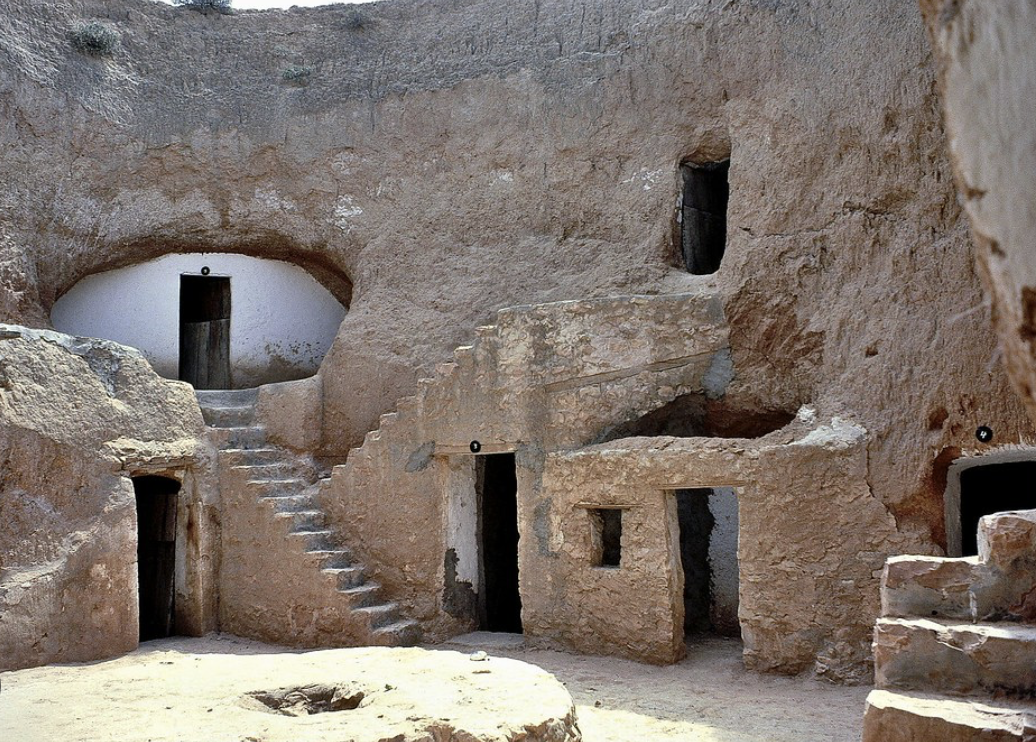
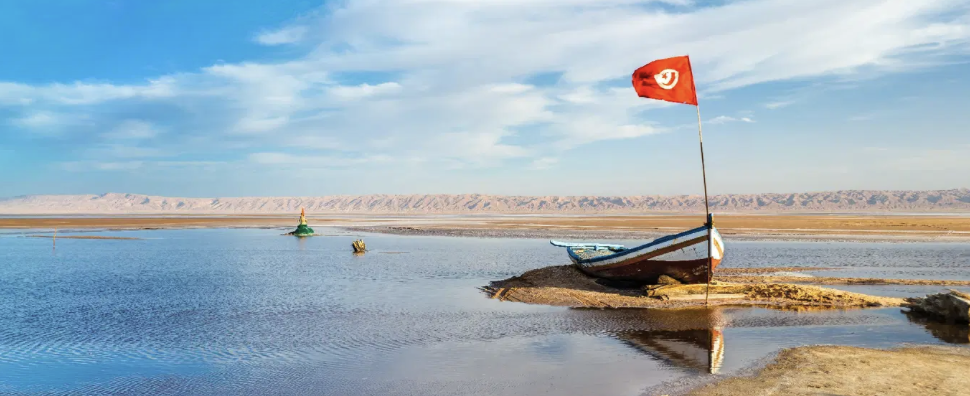
Tunisia, a nation with an exceptional cultural heritage and remarkable economic diversity, stands out as a key player on the international stage. Its millennial history, shaped by multiple influences, gives it a unique identity that captures the attention of investors and business partners worldwide. This rich heritage, combined with a favorable Mediterranean climate, fosters an environment conducive to the development of its human and natural resources, further strengthening its pivotal role in the global economy.

Tunisia: human and natural wealth


Human Resources

Tunisia boasts a young and well-educated population, with diverse skills in sectors such as information technology, engineering, and biotechnology. This dynamic workforce serves as a driving force for innovation and sustainable growth, ready to meet the challenges of a globalized economy.

Tunisia's strengths lie in its human resources and natural wealth, which together create a powerful synergy for the country's economic development. This strategic alliance positions Tunisia as a key economic partner, enabling it to seize global economic opportunities while reinforcing its crucial role in regional and international development.


Natural Wealth

Tunisia benefits from its exceptional agricultural and environmental heritage, supported by an ideal Mediterranean climate. This favorable environment enables the cultivation of renowned products, such as olive oil, recognized among the world's best, and high-quality dates. Additionally, mineral resources, particularly phosphates, contribute to the growth of the national economy and support industrial development.

A GROWING ECONOMY

Economic Growth

In 2024, Tunisia recorded a +1.4% growth, driven by structural reforms and enhanced integration into the global market.
Diversified Exports

Tunisian exports exceed 62 billion dinars (approximately 20 billion dollars), reflecting the diversity and richness of the country’s offerings
KEY SECTORS
Agriculture
High-quality products such as olive oil and dates, with olive oil exports reaching approximately 1.2 billion dollars in 2023, positioning Tunisia among top exporting countries.
Industry
Exports of textiles and apparel exceed 3 billion dollars, while the automotive industry has reached nearly 1.5 billion dollars.
ICT
Significant growth with exports totaling 2.8 billion dollars, positioning Tunisia as an innovation hub in North Africa.
Tunisia’s exportable offer: A diversified wealth

Tunisia stands out with a diverse and competitive export offer, covering key sectors that reflect the strength of its economy. From textiles to agribusiness, high-tech industries, and handicrafts, each sector plays a role in strengthening Tunisia’s presence in international markets. This diversity allows the country to adapt to global trends and meet the needs of partners worldwide.


Textiles and Apparel
The textile sector is a key pillar of the Tunisian economy, with over 1,300 companies, the majority of which are export-oriented. Tunisia has established itself as the 11th largest supplier of textiles and apparel to the European Union. In 2023, this sector generated over 3 billion dollars.
Men’s, women’s, and children’s clothing (tailored and just-in-time production) Technical textiles for the automotive industry (components for airbags and seats) Technical textiles for the medical sector (surgical gowns, masks, and medical sheets)
Europe (France, Germany, Italy)
Over 3 billion dollars in exports (2023) More than 150,000 direct jobs 92.7% of exports destined for the EU 10% of European imports of textile components for airbags and automotive seats
Image
Agri-food / Agriculture
Tunisia, globally recognized for the richness of its agrifood products, benefits from its exceptional terroir and ancestral know-how. With favorable climatic conditions, the country has developed a competitive agriculture sector, combining quality, authenticity, and innovation.
Olive oil Deglet Nour dates Fruits and vegetables Sea food products Spices and condiments
Europe United States Gulf countries Asia Neighboring countries
Top 4 worldwide in olive oil production Over 50 countries import Tunisian olive oil 256 million dollars in date exports in 2023, making Tunisia the 2nd largest global exporter by value 440 million dollars in fruit and vegetable exports in 2023 274 million dollars in seafood and fishery product exports in 2023 27 million dollars in spice exports in 2023
Image
Mechanical and Electrical Industries
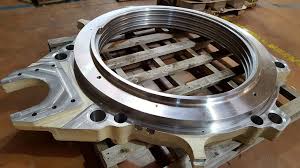
The mechanical, electrical, and electronics industries are a key pillar of Tunisia’s economy, positioning the country as a regional and international industrial hub. With industrial free zones, tax incentives, and a highly skilled workforce, Tunisia attracts multinational companies and continues to strengthen its export capacity.
Automotive components Electrical cables Electronic equipment Industrial machinery
Europe Africa Middle East
Over 9 billion dollars in exports in 2023 1.5 billion dollars in automotive component exports in 2023 3rd largest supplier of automotive cables to the European Union (27) 867 million dollars in electronic equipment exports in 2023 5 billion dollars in electrical machinery exports in 2023
Image
Chemical Industries
The chemical industry is a key driver of Tunisia’s economy, with exports exceeding 1 billion dollars in 2023, accounting for 7% of the manufacturing sector. It stands out for its high-value-added chemical products in agriculture, cosmetics, and healthcare, supported by technical expertise and innovation that meet international standards.
Phosphoric acid Fertilizers Crop protection products Organic skin care and cosmetics
Europe India Brazil North America Gulf countries
1.3 billion dollars in exports in 2023 Top 6 global exporter of phosphoric acid in 2023 6.5% annual growth in beauty and perfume product exports between 2020 and 2023
Image
Information and Communication Technologies (ICT)
This sector is a key pillar of the digital economy, focusing on software development, outsourcing, and cloud services. With rapid growth and continuous modernization, it maintains an average annual growth rate of 12%. Tunisia is emerging as a major tech hub in North Africa, with a dynamic startup ecosystem featuring over 1,500 active companies in 2023, particularly in fintech and agritech.
Software development Cloud services IT outsourcing Digital solutions
Europe North America Gulf countries
2.8 billion dollars in ICT exports in 2022 150 million dollars raised by Tunisian startups in 2023 65% of Tunisian IT companies engaging in export activities 150 million dollars in cloud services revenue in 2023, with a 20% annual growth forecast 12% annual growth in the IT sector
Image
Handicrafts
Tunisian pottery, ceramics, carpets, and hand-crafted textiles reflect ancestral craftsmanship passed down through generations. Combining authenticity and innovation, these products play a central role in Tunisia’s export offering. The sector is experiencing growing demand in Europe, the United States, and the Gulf countries.
Pottery and ceramic items Handmade carpets Traditional jewelry Traditional decorative objects
Italy, France, USA, Germany, Poland, Spain, UK, Greece
145 million dollars in exports for the sector in 2023 64 million dollars in leather goods exports in 2023 2.8 million dollars in jewelry exports in 2023 15.5 million dollars in perfume product exports in 2023
Image
Pharmaceutical Industry
Tunisia’s pharmaceutical sector is experiencing dynamic growth, driven by a modern healthcare system, an increasingly sophisticated industry, and a regulatory framework favorable to investment. Tunisia is positioning itself as a strategic player in international markets, with a strong focus on African and European markets.
Generic drugs Biological products Specialty pharmeceuticals Biotechnology R&D
France, Libya, Saudi Arabia, Ireland, Lebanon, Iraq, Algeria
113 million dollars in exports for the sector in 2023 70% of medicines consumed in Tunisia are locally produced
Image
Building Materials, Ceramics, and Glass Industry
The building materials and metal products sector in Tunisia is strategic for the economy, with internationally recognized quality. Thanks to modern infrastructure and strong expertise, Tunisia is a competitive supplier in Europe, Africa, and the Middle East.
Ceramic tiles Cement Natural stones Marble Metal structures
Europe Maghreb Sub-Saharan Africa Gulf countries
430 million dollars in exports for the building materials, ceramics, and glass industry in 2023 61 million dollars in ceramic exports in 2023 159 million dollars in cement exports in 2022 8.6 million dollars in marble exports in 2023
Image

Tunisia’s competitive advantages in the export market

Tunisia is making a strong impact on the international stage, leveraging competitive advantages that boost its position as a favored export destination. Whether economic, logistical, or human, these strengths form the foundation of a dynamic and flexible economy, ready to meet the demands of the global market.


Skilled workforce
Thanks to a modern education system, Tunisia boasts a young, dynamic, and highly skilled workforce. This expertise attracts investors looking to develop high-value-added projects.
Strategic Geographical Position
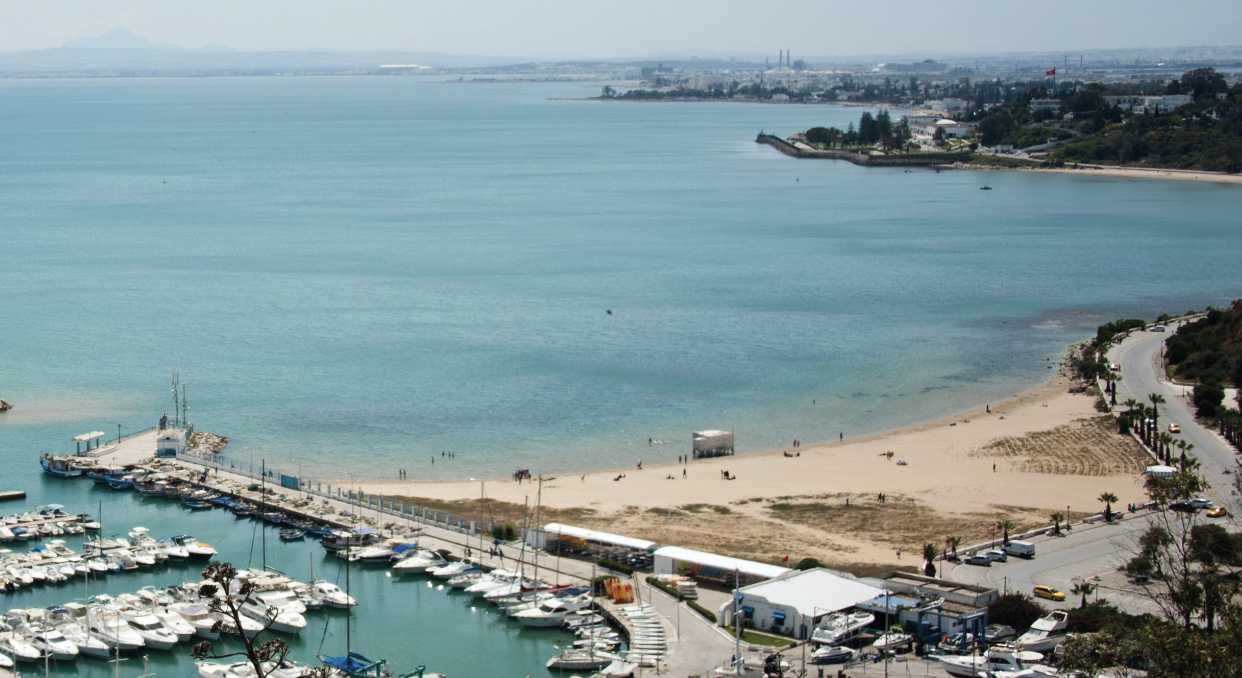
Located at the heart of the Mediterranean, Tunisia serves as a crossroads between Europe, Africa, and the Middle East, providing easy access to regional and international markets. Its proximity to Europe and well-developed infrastructure further enhance its competitiveness.
Modern Logistics Infrastructure
Well-developed ports, highways, and airports ensure efficient connectivity for maritime, land, and air transport, reducing logistics costs and delivery times.
Advantageous Trade Agreements
Tunisia strengthens its position as a regional hub through strategic trade partnerships, particularly with Europe and Africa. Agreements with the EU facilitate exports and investments, enhancing the competitiveness of Tunisian businesses. The country also aims to expand its presence in Africa through the AfCFTA (African Continental Free Trade Area), creating new business opportunities.
Diverse Export Sectors
Tunisia's economy is highly diversified, with strong sectors such as agriculture, textiles, automotive, and ICT, ensuring adaptability to global market fluctuations.
Commitment to Innovation and Sustainability
Tunisia prioritizes innovation and environmental responsibility, promoting sustainable products supported by research and development. Its adherence to international standards and sustainability initiatives enhance its global appeal.